
The atlas that was missing for people who teach.
Why it exists
Anyone who teaches Pilates knows the exercises. What's missing is never repertoire — it's time.
Time to build a class that makes sense from start to finish. Time to vary without losing the point of the treatment. Time to remember, in the ten-minute gap between two students, that one exercise that would solve exactly what the next one needs.
Pilatlas was born from that gap. Not as a video bank — there are plenty — but as an atlas: a library where every exercise is classified precisely enough for you to find it the moment you need it.
Filmed by someone who teaches
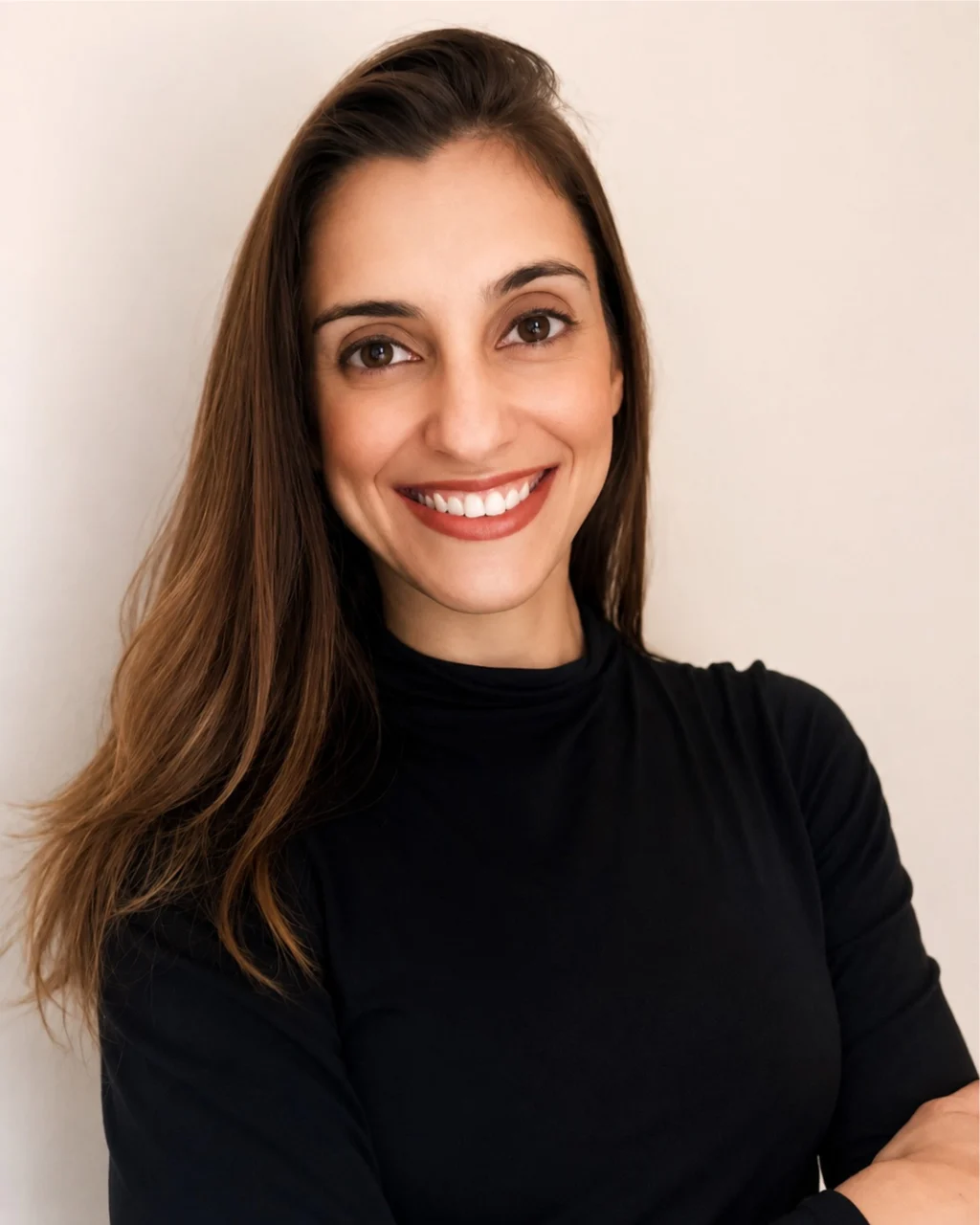
The Pilatlas library is directed by Thais Rodrigues, who holds a degree in physical education and has over ten years as a Pilates instructor and studio owner.
A multidisciplinary athlete — artistic gymnastics, figure skating, circus arts and professional dance — she brings to the method a reading of movement that comes from outside it.
For more than five years she has mentored Pilates professionals. What used to happen in person, for a few, is now catalogued and available to professionals anywhere in the world.
Over 600 exercises don't come from a script. They come from the studio floor.
How the library is made
Every exercise is filmed vertically, short and clean — enough for you to recognise the execution in seconds, with no long narration and no padding.
Once filmed, each one is classified across six filter categories: apparatus, goal, level, type, prop and method. That cataloguing is what turns a large library into a useful one.
Pilatlas is permanently under construction. New exercises keep entering the library, and every subscriber has access to everything published.